
How to Hire a Genuine Crypto Recovery Service (Avoid Scams)
By Steven Burton
Lost crypto to fraud? Learn how to find a legitimate crypto recovery service, spot secondary recovery scams, and trace stolen digital assets with our investigator’s guide. Losing cryptocurrency to fraud is a devastating experience. Whether the loss resulted from a crypto investment scam, a phishing attack, a compromised wallet, or a fraudulent trading platform, victims often face a second challenge almost immediately: deciding who to trust for help.
A quick search for “crypto recovery service” returns hundreds of companies claiming remarkable success rates, guaranteed asset retrieval, or proprietary techniques that can supposedly retrieve stolen Bitcoin in days. Unfortunately, many of these businesses are recovery scams themselves, specifically targeting individuals who have already suffered financial losses.

Hiring a genuine crypto fraud investigator requires the same diligence you would use when selecting a lawyer, forensic accountant, or private investigator. The goal is not to find someone who promises miracles, but a professional who conducts disciplined blockchain forensics, explains realistic options, and produces evidence that can support exchanges, legal counsel, or law enforcement.
This guide explains how legitimate crypto recovery firms operate, the critical questions every client should ask, and the warning signs that indicate it’s time to walk away.
What Does a Genuine Crypto Recovery Service Actually Do?
One of the biggest misconceptions in the industry is that legitimate recovery companies can simply reverse blockchain transactions or “hack” stolen cryptocurrency back into your wallet.
They cannot.
Public blockchains are intentionally designed so confirmed transactions cannot be reversed. Instead, professional blockchain investigators reconstruct the movement of digital assets. Their goal is to identify where funds travel, document their findings, and determine whether opportunities exist to freeze or intervene before assets are withdrawn or laundered through mixers.
In many cases, the forensic investigation itself becomes the foundation for regulatory complaints, civil proceedings, insurance claims, or law enforcement action.
When Is Cryptocurrency Recovery Most Likely to Succeed?
Every crypto fraud investigation is different, but several factors significantly influence the chances of a successful recovery. Your prospects generally improve when:
-
The incident is reported quickly: The faster you act, the less time scammers have to launder the funds.
-
Transaction records are preserved: Wallet IDs, transaction hashes (TxIDs), and chat logs are crucial.
-
Stolen assets move through regulated exchanges: Centralized exchanges (CEXs) with KYC (Know Your Customer) protocols can freeze accounts if presented with proper legal or law enforcement requests.
-
Complete documentation is provided: The victim gives investigators full access to the sequence of events.
-
Evidence allows for clear tracing: There is sufficient data to reconstruct the flow of funds across the blockchain.
Conversely, delays in reporting or incomplete transaction records severely reduce the options available to investigators.
The 3-Step Process of a Legitimate Crypto Investigator
Professional firms follow a structured, evidence-based investigative process rather than relying on sensational marketing claims.
1. Conduct a Thorough Case Assessment
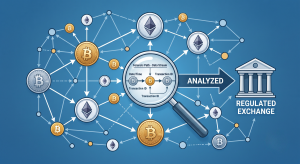
The first step must always be understanding what happened. An investigator should review your wallet addresses, transaction IDs, exchange records, communications with the scammer, and any supporting documentation before discussing possible outcomes. No reputable firm can responsibly estimate recovery prospects without first examining the blockchain evidence.
2. Reconstruct the Movement of Funds
The investigation must establish exactly how assets moved after leaving your wallet. Rather than focusing on a single transaction, experienced investigators analyze the broader transaction history. They look to see whether funds were consolidated, exchanged for privacy coins, bridged between different blockchains, or deposited with identifiable service providers.
3. Produce Clear, Professional Reporting
A quality investigation concludes with well-organized, actionable documentation. Depending on the circumstances, these forensic reports are used to support:
-
Legal counsel pursuing civil litigation.
-
Exchange compliance departments (to freeze accounts).
-
Regulatory agency complaints.
-
Law enforcement investigations (FBI, IC3, local cybercrime units).
6 Essential Questions to Ask Before Hiring a Recovery Firm
Before signing an engagement agreement or paying a retainer, ask direct questions to gauge the firm’s legitimacy:
-
What specific investigative methodology do you follow?
-
What transaction data do you need from me before accepting my case?
-
Will I receive a comprehensive written forensic report?
-
How frequently do you communicate progress?
-
Have you successfully handled cases involving this specific type of crypto fraud?
-
What realistic factors could limit or prevent the recovery of my assets?
Professional firms answer these questions openly, detailing their forensic tools (like Chainalysis or TRM Labs) and avoiding exaggerated promises.
Red Flags: How to Spot a Crypto Recovery Scam
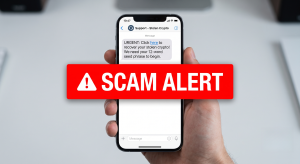
Secondary recovery scams frequently rely on creating a false sense of urgency and setting completely unrealistic expectations. End the conversation immediately if a company:
-
Guarantees recovery: No one can guarantee the return of stolen crypto.
-
Claims 90%+ success rates: They do this without verifiable, third-party evidence.
-
Requests your seed phrase or private keys: Legitimate investigators never need your recovery phrase to trace public blockchain transactions.
-
Pressures you to pay an immediate upfront fee: Especially if they demand payment in cryptocurrency.
-
Promises to “hack” the funds back: This is illegal and technologically impossible on a secure blockchain.
-
Refuses to explain their process: If their method is a “trade secret,” it’s likely a scam.
Legitimate investigators work strictly within legal and ethical boundaries and will never ask you to compromise the security of your remaining digital assets.
Why Choosing the Right Firm and Acting Quickly Matters

Time is one of the few factors victims can control. Digital assets move rapidly between wallets and cross-chain platforms immediately after a theft. Prompt reporting allows investigators to document transaction histories while they are fresh and identify points where law enforcement coordination is possible.
When selecting a firm, prioritize transparency over marketing. For example, firms such as Cyberspac3 emphasize investigative analysis and evidence-based reporting rather than peddling guaranteed recoveries. The quality of a crypto investigation should be measured by its methodology, transparency, and professionalism.
Regardless of which firm you consider, ask for a clear explanation of the engagement, the expected deliverables, and the scope of the investigation before proceeding.
Frequently Asked Questions (FAQ)
Can anyone guarantee the recovery of stolen cryptocurrency? No. Recovery depends entirely on the facts of each individual case, including how the assets were moved, the speed of the response, and whether the funds landed in an exchange where legal intervention is possible.
Should I trust companies advertising guaranteed success? Guarantees should be treated with extreme skepticism. Reputable blockchain investigators will comprehensively evaluate the transaction evidence before offering an honest opinion about the viability of your case.
Is a written investigative report important? Yes. Professional forensic documentation is exactly what legal representatives, exchange compliance teams, insurers, and law enforcement agencies need to understand the facts and take action on your behalf.
Should I ever share my wallet recovery phrase? No. Your recovery phrase (seed phrase) and private keys must remain strictly confidential. Legitimate investigators only need public wallet addresses and transaction IDs (TxIDs) to trace the movement of funds.
Final Thoughts
Hiring a genuine crypto recovery service begins with asking the right questions and resisting the temptation to believe extraordinary promises. The most credible firms, like Cyberspac3, approach every case as a disciplined professional investigation. In an industry where misinformation and secondary scams are rampant, careful due diligence is your strongest defense and the first step toward reclaiming your digital assets.