Hire a Hacker for Cell Phone: How to Find a Legitimate Expert
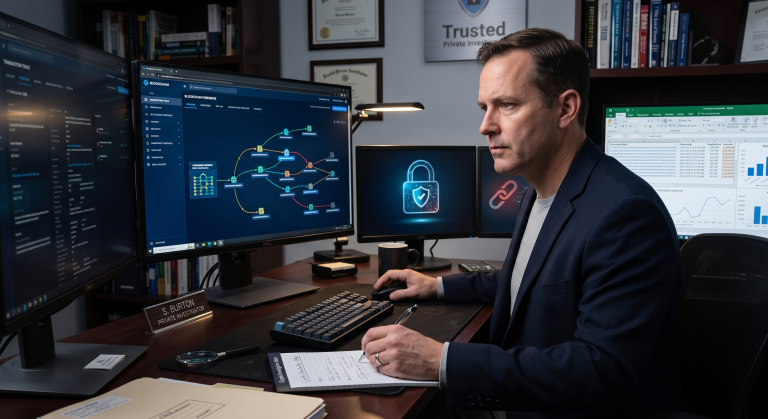
By Steven Burton – Trusted Private Investigator
If you are searching for someone to “hire a hacker for cell phone” assistance, you should be careful about who you trust. Your smartphone is a digital vault containing years of sensitive information from private text messages, photos, and emails to banking apps, location histories, passwords, and multi-factor authentication tokens.

Unfortunately, the phrase “cell phone hacker” attracts two very different groups: legitimate cybersecurity professionals and dishonest operators making unrealistic promises. Countless websites claim they can instantly break into any iPhone or Android device, recover every deleted message, or remotely monitor a phone without the owner’s knowledge.
Those promises should immediately raise red flags.
A legitimate professional works within an authorized scope and should be able to explain exactly what they can investigate, what technical data they need, what results are realistically possible, and how your data will be protected. In many legitimate cases, the right professional is actually a mobile digital forensics specialist, cybersecurity consultant, data recovery expert, or licensed private investigator with advanced technical capabilities rather than someone simply advertising themselves as a “hacker.”
This guide explains what to look for, what services are legitimate, how to spot scammers, and how to protect your sensitive information before handing it over.
What Does “Hire a Hacker for Cell Phone” Actually Mean?
The term “hacker” is used loosely across the internet. A professional cybersecurity specialist uses ethical security testing to identify vulnerabilities, while a mobile forensics specialist examines device storage and operating system artifacts to uncover investigative evidence. Neither activity involves secretly or illegally breaking into another person’s private phone.
Mobile device forensics is a highly structured, established field. The National Institute of Standards and Technology (NIST SP 800-101 Rev. 1) defines mobile device forensics as the science of recovering digital evidence using forensically sound, legally admissible procedures. NIST guidance requires strict adherence to:
-
Preservation: Securing the device to prevent data alteration or remote wiping.
-
Acquisition: Creating a byte-for-byte forensic image or logical file extraction.
-
Examination: Uncovering hidden, deleted, or system-level artifacts.
-
Analysis: Interpreting data in the context of a specific investigation.
-
Reporting: Documenting findings for legal, corporate, or personal review.
Before you hire anyone, define your underlying problem. You may not need a “hacker” at all. What you likely need is one of the following:
-
Mobile Data Recovery: Retrieving lost photos, messages, or files from a damaged or inaccessible device.
-
Digital Forensic Examination: Extracting and analyzing data for legal, civil, or corporate matters.
-
Compromise Investigation: Determining if spyware, stalkerware, or unauthorized monitoring is present.
-
Security Assessment: Testing the defenses of a device, app, or network you own.
-
Incident Response: Identifying how unauthorized account access occurred and securing your digital footprint.
Why People Hire Cell Phone Security Experts

The Federal Trade Commission (FTC) notes that modern smartphones contain personal identities, financial credentials, and private communications, making them high-value targets for bad actors. There are several legitimate, lawful reasons to seek out professional assistance:
1. Recovering Important Data
Whether due to hardware failure, accidental deletion, or a forgotten passcode on your own device, a qualified recovery specialist can determine what storage sectors remain intact.
Warning: Beware of anyone who guarantees 100% data recovery before physically or logically examining the device.
2. Investigating a Compromised Phone
If your phone exhibits unexplained battery drain, unauthorized account logins, unusual background apps, or suspicious configuration changes, a professional can perform a forensic sweep. A credible expert investigates objective evidence rather than instantly claiming your phone was “hacked.”
3. Mobile Digital Forensics for Legal Support
When digital evidence is required for a civil or criminal case such as intellectual property theft, corporate espionage, or family law disputes a licensed investigator or forensic analyst ensures the evidence chain of custody holds up in court.
4. Enterprise & Personal Security Assessments
Businesses and privacy-conscious individuals frequently hire cybersecurity specialists to audit their authorized devices and applications to identify security gaps before malicious actors can exploit them.
Can You Legally Hire Someone to Hack a Cell Phone?
This is the most critical question to answer before hiring anyone: Authorization matters.
A reputable security specialist will only perform work on devices or accounts where you have clear, demonstrable legal authority. Because laws regarding surveillance, privacy, and unauthorized access vary significantly by jurisdiction, you should consult a qualified attorney if your case involves disputed ownership, divorce, employment disputes, or criminal allegations.
Red Flags: Unlawful Advertising Claims
Be especially cautious of websites or social media accounts advertising services such as:
-
“Hack any phone remotely with just a phone number”
-
“Read someone’s text messages without them knowing”
-
“Access any iPhone instantly”
-
“Monitor a spouse or employee secretly”
-
“Get someone’s passwords without touching their phone”
These claims are not only potentially illegal under laws like the Computer Fraud and Abuse Act (CFAA) or federal/state wiretap laws they are also the hallmark of advance-fee scams. The FTC and Department of Justice regularly take enforcement action against businesses selling illegal surveillance software (“stalkerware”) designed to secretly intercept private communications.
The safest rule of thumb: Only authorize work on devices and accounts you legally own or have explicit written permission to test.
iPhone vs. Android: Technical Realities
When contacting a mobile security or forensic professional, provide exact details about your device so they can give you a realistic assessment.
| Technical Factor | Apple iPhone (iOS) | Android Devices |
| Security Architecture | Closed ecosystem; hardware-level encryption via the Secure Enclave. | Open-source core; security varies significantly by manufacturer (Samsung, Google, etc.). |
| Remote Access Claims | Extremely difficult without physical access, zero-day exploits, or iCloud credentials. | Vulnerable to third-party APK installations, but remote zero-click access is rare and complex. |
| Data Recovery | Limited if the device is factory-reset or hardware-encrypted without a passcode. | Varies; certain models allow chip-off or JTAG recovery if storage is unencrypted. |
| Forensic Acquisition | Typically requires iTunes/Finder backups, logical extraction, or specialized forensic tools. | Can involve physical memory dumps, ADB protocols, or bootloader-level access. |
Because mobile operating systems are patched and updated continuously, NIST notes that mobile device forensics is a rapidly evolving challenge. No single technique works across every make, model, and OS version.
How to Find a Legitimate Cell Phone Hacker
If you genuinely need technical assistance, do not simply hire the first website that appears in a search engine ad. Use these five criteria to evaluate a professional:
+-------------------------------------------------------------------------+
|                EVALUATING A PROFESSIONAL INVESTIGATOR                   |
+-------------------------------------------------------------------------+
|  1. Verify Identity    -->  Check business name, address & credentials.  |
|  2. Check Specialty    -->  Ensure mobile forensic/recovery expertise.  |
|  3. Require a Scope    -->  Get a written proposal & legal authorization.|
|  4. Clear Pricing      -->  Avoid "$100 magic fixes" & endless retainers. |
|  5. Data Security      -->  Confirm encrypted storage & data destruction.|
+-------------------------------------------------------------------------+
1. Verify Who You Are Hiring
Look for a verifiable business identity. A professional firm should provide:
-
A registered business name and physical office presence.
-
Clear Terms of Service and comprehensive Privacy Policies.
-
Verifiable professional credentials (e.g., Licensed Private Investigator, EnCE, CFCE, CCE, or CISSP).
-
Real client reviews across independent platforms not just self-published website testimonials.
2. Ask About Their Specific Expertise
Cybersecurity is a massive field. An IT network specialist may not know how to parse an SQLite database from a mobile device. Ask: “What specific experience do you have with my phone model, OS version, and investigative goal?”
3. Request a Written Scope of Work
Never pay without a written agreement. A formal Scope of Work should define:
-
The exact device, model, and accounts to be examined.
-
Your legal statement of ownership or authorization.
-
The methodologies and tools that will be used.
-
What deliverables (reports, extracted data files) you will receive.
-
The exact pricing structure and what happens if data cannot be recovered.
4. Look for Transparent Pricing
Reputable professionals explain their billing models clearly. Beware of two extremes:
-
The “$100 Quick Fix”: Scammers promising full remote access for a low, flat fee.
-
The “Endless Retainer”: Unscrupulous operators who demand thousands of dollars upfront with vague promises of “guaranteed results.”
5. Review Their Data Protection Protocols
You are handing over sensitive personal data. Ask explicit questions:
-
How will my data be stored and encrypted during the investigation?
-
Who has access to my image files and communications?
-
How long do you retain data before performing a secure wipe?
-
Will my data ever be shared with third parties?
10 Red Flags of a Fake Cell Phone Hacker
Knowing the warning signs of a mobile cyber scam can save you from financial loss and identity theft:
-
Guaranteed Results: No honest expert guarantees 100% data recovery or access before examining the device.
-
“We Can Hack Any Phone Remotely”: Universal remote-access claims ignore modern encryption and hardware security.
-
Demands for Unnecessary Passwords: Never hand over Apple ID, Google, or banking passwords unless there is a verifiable, authorized forensic need.
-
Refusal to Provide a Written Agreement: Legitimate professionals protect both parties with formal documentation.
-
High-Pressure Tactics: Scammers use artificial urgency (“Pay in the next hour or lose your data forever”).
-
Cryptocurrency-Only Payments: Demanding untraceable, non-refundable payment via Bitcoin, Monero, or gift cards is a primary indicator of fraud.
-
Unverifiable Contact Information: Operations with no physical address, phone number, or professional license.
-
No Clear Privacy Policy: Inability to explain how your personal data will be secured and destroyed.
-
Encouraging Illegal Activity: Providers who tell you “legal authorization doesn’t matter” are putting you at legal risk.
-
Refusal to Answer Technical Questions: Scammers rely on buzzwords rather than explaining actual methodologies.
What to Do If You Think Your Phone Is Already Hacked
If you suspect your phone is compromised, do not immediately pay an online “hacker” to fix it. Take these protective steps first:
-
Isolate the Device: Disconnect from Wi-Fi and mobile data if you suspect active data exfiltration.
-
Secure Key Accounts from a Safe Device: Use a different, clean computer or phone to change passwords for your primary email, cloud storage (iCloud/Google Account), and financial services.
-
Enable Multi-Factor Authentication (MFA): Use hardware tokens or authenticator apps rather than SMS-based verification whenever possible.
-
Document Suspicious Activity: Take screenshots or notes of unusual battery drain, unrecognized messages, or foreign logins.
-
Preserve Digital Evidence: If you plan to take legal action, do not factory reset the phone. A reset destroys the logs and system artifacts a forensic investigator needs to prove a compromise occurred.
Why Mobile Forensics Is Better Than “Phone Hacking”
The search term “hire a hacker for cell phone” may have brought you here, but what you likely need is Mobile Digital Forensics.
| Professional Mobile Forensics | Amateur / Illegitimate “Hacking” |
| Uses forensically sound, read-only extraction methods. | Uses aggressive, unverified scripts that can corrupt data. |
| Preserves metadata and chain of custody for legal use. | Alters file timestamps, rendering evidence inadmissible in court. |
| Conducted under clear legal authorization and written contracts. | Operates in legal grey areas or outright violates privacy laws. |
| Delivers clear, documented reporting of what occurred. | Relies on vague claims and unverified screenshots. |
A forensic specialist doesn’t rely on guesswork. They use structured analytical methodologies to recover deleted artifacts, analyze app databases, and present clear, court-admissible evidence.
Frequently Asked Questions (FAQ)
Can I legally hire someone to access a cell phone?
Yes, provided you are hiring a cybersecurity or forensic professional to work on a device you legally own or have explicit authorization to examine. Hiring someone to access another person’s device without consent is illegal in most jurisdictions.
Can a mobile forensic expert recover deleted text messages?
Often, yes, but it is never guaranteed. Recovery depends on whether the operating system has overwritten the data blocks, the device’s encryption status, and whether backups exist in cloud or local storage.
Can someone remotely hack any iPhone or Android with just a phone number?
No. Be highly skeptical of anyone claiming they can remotely hack any device on demand. While advanced zero-click exploits exist in nation-state espionage, they are not available to commercial websites or independent operators advertising online.
How much does a legitimate cell phone forensic examination cost?
Costs vary based on device condition, encryption complexity, data volume, and whether you require expert witness testimony. Reputable firms typically offer a consultation fee or fixed pricing for initial extraction, ranging from several hundred to several thousand dollars depending on scope.
Should I give an investigator my phone passcode?
You should only provide your passcode to a vetted, licensed professional after signing a written Scope of Work and Data Privacy Agreement that clearly states how your credentials and data will be handled.
Final Thoughts
Searching for someone to “hire a hacker for cell phone” assistance can lead you into a confusing marketplace filled with legitimate investigators, aggressive marketers, and outright scammers.
The safest approach is to focus on the problem rather than the word “hacker.”
-
If you need lost files returned, hire a data recovery professional.
-
If you need digital evidence documented for court, hire a mobile digital forensics specialist.
-
If you suspect spyware or stalkerware, hire a cybersecurity investigator.
When your privacy, personal data, and legal standing are at stake, professionalism, transparency, and verified credentials are far more valuable than empty promises.