
How to Hire a Hacker to Recover Stolen Crypto (Safely)
By Steven Burton — Trusted Private Investigator
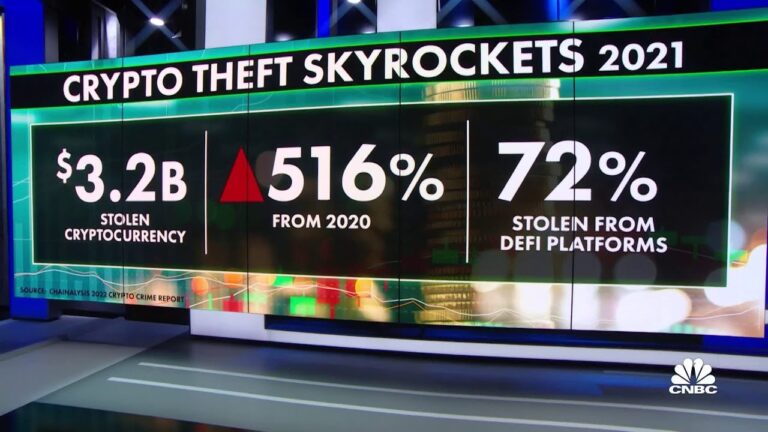
Want to hire a hacker and Lost cryptocurrency to a scam? Learn the critical difference between hiring a legitimate blockchain investigator and falling for a crypto recovery scam. Losing cryptocurrency to a scam, hacked wallet, phishing attack, or fraudulent investment platform is devastating. Once funds disappear from your wallet, it is entirely natural to search online for someone who can track the money and identify the organization behind the theft.
That search often leads people to type phrases like “hire a hacker to recover stolen crypto” into their search bar. However, there is a critical distinction between hiring a legitimate cybersecurity professional and handing money to an anonymous person who claims they can simply “hack” a scammer’s wallet.

Unfortunately, cryptocurrency victims are attractive targets for a second type of fraud: recovery scams. Fraudsters frequently promise guaranteed recovery, request crypto upfront, and claim to have special access to blockchain systems.
This guide explains how to hire a digital investigation professional safely, what questions to ask, the criteria for ethical hacking services, and how to protect yourself from becoming a victim twice.
What Does “Hire a Hacker to Recover Stolen Crypto” Actually Mean?
The word hacker can be misleading. When searching for a hacker after losing crypto, many imagine a vigilante breaking into the scammer’s computer. Legitimate cybersecurity professionals do not operate that way.
An ethical hacker works strictly within legal authorization. Depending on the circumstances, a professional recovery investigation involves:
-
Digital forensics
-
Blockchain transaction analysis
-
Cybersecurity incident response
-
Evidence preservation
-
Communication with relevant platforms and law enforcement
The objective is not to illegally access another person’s account. Instead, a digital investigator will attempt to determine:
-
Where the stolen cryptocurrency was sent.
-
Which wallets received the funds.
-
Whether the assets moved through multiple addresses (chain-hopping).
-
Whether the funds eventually reached a known, centralized exchange (KYC compliant).
-
What legal or investigative options are realistically available.
Crucial Warning: A person advertising illegal access to accounts should not be considered more capable. Promises of unauthorized access are one of the biggest warning signs of a fraudulent service.
Can Stolen Cryptocurrency Really Be Recovered?
There is no universal answer. Cryptocurrency transactions are designed to be irreversible; there is no “cancel” button on the blockchain. However, that does not mean every case is hopeless.
Investigators can follow the movement of assets on a public ledger to identify transaction patterns. If stolen funds eventually interact with a centralized service, additional legal avenues may open up. Recovery depends heavily on:
-
The specific cryptocurrency and blockchain used.
-
How the theft occurred (e.g., phishing vs. compromised seed phrase).
-
How quickly the incident is reported.
-
Whether the assets reached an identifiable service.
Be highly cautious of anyone who guarantees recovery. No legitimate investigator can guarantee an outcome before examining the forensic facts.
10 Steps to Hiring a Legitimate Crypto Recovery Professional
Step 1: Start With Evidence, Not a “Hacker”

Before contacting a recovery professional, collect as much information as possible to improve the initial assessment. Gather the following:
-
Transaction Data: Wallet addresses, Transaction IDs (hashes), dates, times, and amounts.
-
Communications: Emails, chat logs, and messages from the suspected scammer (do not delete these, even if they feel embarrassing).
-
Digital Footprints: Website addresses, usernames, and screenshots.
-
Financial Records: Exchange account info, bank/card records tied to the incident.
Step 2: Verify a Real Professional Identity
A sleek website is not enough. Look for verifiable information establishing who you are hiring:
-
Legal business identity and physical location.
-
Clear description of services and written terms.
-
Documented process for handling evidence.
-
Secure, standard communication methods (beware of professionals who communicate exclusively via anonymous social media accounts).
Step 3: Check Their Professional Background
Do not rely solely on testimonials on their own website. Ask the professional to demonstrate relevant experience in cybersecurity, digital forensics, or private investigation. Ask them directly: “Have you investigated cryptocurrency theft cases involving this specific blockchain before?”
Step 4: Demand a Written Scope of Work
Never hire someone based on a chat window conversation. Before paying, request a written agreement that clarifies:
-
The exact scope of the investigation.
-
Estimated timeframe and fee structure.
-
Evidence-handling procedures and confidentiality.
-
Under what circumstances the engagement ends.
Step 5: Understand How Professional Fees Work
Scammers deliberately complicate pricing, quoting a low initial fee followed by surprise charges. Be highly suspicious if you are asked to pay for: Blockchain activation, wallet unlocking, tax releases, or network validation.
A legitimate professional charges for their time: investigative work, technical analysis, and reporting.
Step 6: Never Share Your Seed Phrase or Private Key
This is the golden rule of crypto security. A legitimate investigator will never need your secret recovery phrase or private key to trace a transaction. Anyone who has your seed phrase controls your assets. Be equally cautious of screen-sharing requests that could expose authentication codes.
Step 7: Watch for Guaranteed Recovery Claims
A professional investigation always involves uncertainty. If you hear phrases like “We guarantee 100% recovery” or “Your money will be back in 24 hours,” walk away immediately. A credible professional will simply say, “We need to examine the evidence before determining if recovery is possible.”
Step 8: Be Extremely Careful With Upfront Crypto Payments
Cryptocurrency payments are difficult to reverse, making them a favorite for scammers. If a service insists you pay the entire fee in crypto upfront to an unrelated wallet address, investigate carefully. Ask if conventional, trackable payment methods are available.
Step 9: Verify the Company Independently
Search the company’s legal name on search engines (Google, Bing, DuckDuckGo) rather than relying on the links they provide you. Look for authentic reviews, complaints, verified credentials, and a verifiable business history.
Step 10: Ask What Happens After the Investigation
A good investigator explains the endgame. You should expect to receive a written report describing relevant transactions, addresses, and findings. This report can be used to support communications with crypto exchanges, legal professionals, or law enforcement authorities.
Legitimate Investigators vs. Recovery Scams
The most dangerous situation occurs when a victim is approached by someone claiming they have already “found” the stolen funds. Scammers buy lead lists of recent victims to perpetrate secondary fraud. Use this criteria to separate professionals from scammers:
| Feature | Legitimate Digital Investigator | Fraudulent Recovery Scam |
| Promises | Honest assessment based on evidence | Guarantees 100% recovery |
| Credentials | Verifiable business identity & legal name | Anonymous, uses encrypted chat exclusively |
| Security | Only needs public TxIDs and wallet addresses | Demands your Seed Phrase, Private Key, or 2FA |
| Pricing | Transparent, written scope of work | Hidden fees (“tax release”, “wallet activation”) |
| Methods | Blockchain analysis, legal requests, forensics | Claims to “hack the scammer’s wallet” |
What You Should Do Immediately After a Theft
If your cryptocurrency was recently stolen, time is critical:
-
Secure Remaining Assets: Change compromised passwords and enable hardware multi-factor authentication.
-
Preserve Evidence: Save all transaction hashes, wallet addresses, and communications.
-
Cut Contact: Do not communicate with the scammer, and never send additional crypto to “unlock” your original funds.
-
Do Not Rush: Take your time to verify an investigator before hiring them.
Final Thoughts: Hire an Investigator, Not a Promise
Searching for “how to hire a hacker to recover stolen crypto” is a completely understandable reaction to a theft. You want technical expertise. But the goal is not finding someone who calls themselves a “hacker.” It is finding a qualified, transparent, and ethical digital investigator who can trace your assets without putting you at further risk.
If your crypto has been stolen, you are dealing with immense pressure. Do not allow that urgency to push you into the hands of a second scammer. Investigate the investigator before you hire them.